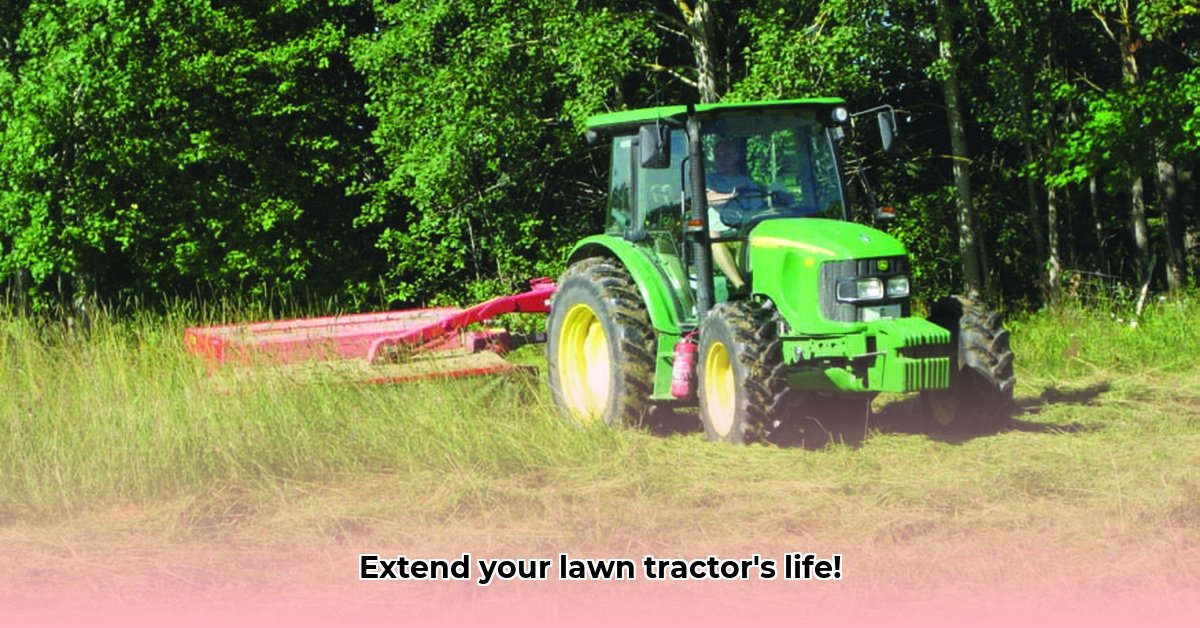
Nobody wants a broken lawnmower derailing their weekend plans. A little preventative maintenance goes a long way toward ensuring your cutting grass tractor runs smoothly and saves you money on costly repairs. This guide provides step-by-step instructions and helpful tips to keep your machine humming for years to come. We'll cover everything from simple tasks like oil changes to more involved procedures like blade sharpening—empowering you to become your own lawn tractor expert. For more information on the lifespan of your tractor, check out this helpful resource on tractor depreciation.
Preventative Maintenance: Your Tractor's Best Friend
Regular maintenance is the key to a long-lasting and high-performing lawn tractor. Think of it as an investment in your time and your machine—a small amount of effort now translates into significant savings and less frustration later. Let's dive into the essential tasks:
Regular Inspections: A Quick Checkup Saves the Day
Once a month, at minimum, give your tractor a thorough once-over. This quick inspection can identify small issues before they escalate into major problems.
What to Look For:
- Loose Bolts: Tighten any loose bolts you find to prevent them from vibrating loose and causing damage. A simple wrench can prevent a significant problem.
- Fluid Leaks: Check under your tractor for any signs of oil, fuel, or other fluid leaks. Address leaks promptly to avoid more significant engine problems.
- Cracked Belts or Hoses: Visually inspect belts and hoses for cracks or fraying. These are crucial components; replace damaged ones immediately.
- Tire Pressure: Maintain proper tire inflation for optimal traction and performance. Under-inflated tires put extra strain on the engine and reduce cutting effectiveness.
- Blade Condition: Inspect the blades for damage, including bends, dullness, or chips. Dull blades result in poor cuts, tearing the grass as opposed to cutting, and damage your lawn's health.
Pro Tip: Snapping a quick photo of any area of concern can aid in remembering what needs attention.
Blade Sharpening/Replacement: A Sharper Cut, A Healthier Lawn
Sharp blades are essential for that perfect, clean cut. Dull blades tear the grass, leading to an unhealthy lawn and inefficient mowing. Sharpen blades every 10-20 hours of use or as needed.
Sharpening:
- Safety First: Always disconnect the spark plug before working on the blades. This vital step prevents accidental starting.
- Blade Removal: Consult your owner's manual for specific instructions on removing your model's blades. You'll need the right tools for your cutting grass tractor.
- Sharpening: Use a file specifically designed for mower blades and sharpen each blade evenly to maintain balance. An unevenly sharpened blade will result in an uneven cut and likely cause more problems in the long run.
- Reinstallation: Carefully reattach the blades, ensuring they are securely fastened and balanced.
- Reconnect: After reinstallation, reconnect the spark plug.
Replacement:
If blades are severely bent, cracked, or beyond repair, replace them. Damaged blades are inefficient and potentially dangerous. New blades will significantly improve your cutting quality.
Oil Changes: The Life Blood of Your Engine
Regular oil changes are critical for optimal engine performance and longevity. Refer to your owner's manual for the recommended oil type and change intervals (usually every 50-100 hours of use or seasonally).
- Cool Down: Allow the engine to cool completely before proceeding.
- Drain: Position a drain pan under the oil drain plug. Carefully remove the plug and let the oil drain completely.
- Replace Plug: Once drained, replace and tighten the drain plug.
- Fill: Add the correct amount of fresh oil (check your manual).
- Check Level: Use the dipstick to verify the oil level.
Air Filter Replacement: Breathing Easy
A clean air filter ensures your engine receives the necessary oxygen. Replace or clean your air filter every 25-50 hours of use, or whenever it looks dirty. A clogged air filter reduces engine performance and efficiency.
- Locate: Find the air filter (consult your manual).
- Remove: Carefully remove the old filter.
- Inspect: Check for dirt; replace if heavily soiled.
- Install: Install the new filter correctly.
Spark Plug Maintenance: Igniting Performance
Spark plugs ignite the fuel-air mixture in your engine. Regularly inspect them (every 50-100 hours) for wear and tear. Clean or replace as needed. A malfunctioning spark plug hinders starting and overall engine performance.
Belt Inspection/Replacement: Keeping Everything Moving
Regularly inspect your belts for wear, cracks, or fraying (monthly). Replace damaged belts promptly to avoid breakdowns. Worn belts can significantly reduce the efficiency of your cutting grass tractor.
Battery Care: The Power Source
Keep your battery terminals clean and corrosion-free. A dirty battery can significantly reduce the starting capacity. Charge fully at the end of the season for optimal winter storage.
Troubleshooting Common Problems: DIY Solutions
Many problems have straightforward solutions.
- Won't Start: Check the battery, spark plug, fuel level, and air filter.
- Engine Sputtering: The carburetor might need cleaning.
- Cutting Deck Issues: Check the blades, belts, and pulleys.
Consult your owner's manual for detailed troubleshooting guidance.
When to Call a Professional: Knowing Your Limits
While many repairs are DIY-friendly, some problems require professional expertise. If you encounter complex engine issues or are uncomfortable performing certain tasks, call a qualified mechanic. Safety is paramount.
Conclusion: Keep Your Tractor Running Strong
Regular maintenance is essential for a long-lasting, efficient cutting grass tractor. By following these simple steps and creating a regular maintenance schedule, you'll save money and extend the life of your valuable machine. Remember to always consult your owner's manual for specific instructions and safety precautions. Happy mowing!